Expanded Polyethylene (EPE) Foam
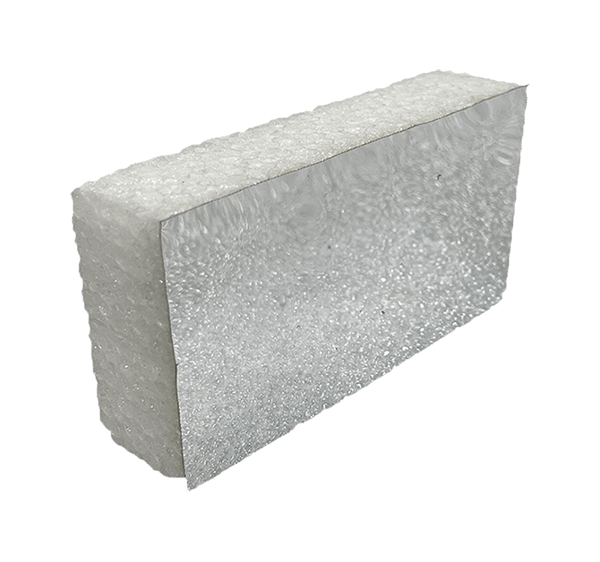
EPE foam begins as polyethylene beads that are heated and expanded with air. The trapped air creates a soft, sponge-like structure that provides cushioning without adding significant weight.
EPE is resistant to water, chemicals, and mold, and it provides thermal insulation for temperature-sensitive products.
While EPE foam can also be used in foam-in-place solutions, it's most commonly fabricated by cutting shapes from blocks or sheets.
Common Applications
- Cold storage packaging
- Moisture-resistant packaging components
- Lightweight cushioning and protective inserts
- Blocking and bracing
Expanded Polypropylene (EPP) Foam
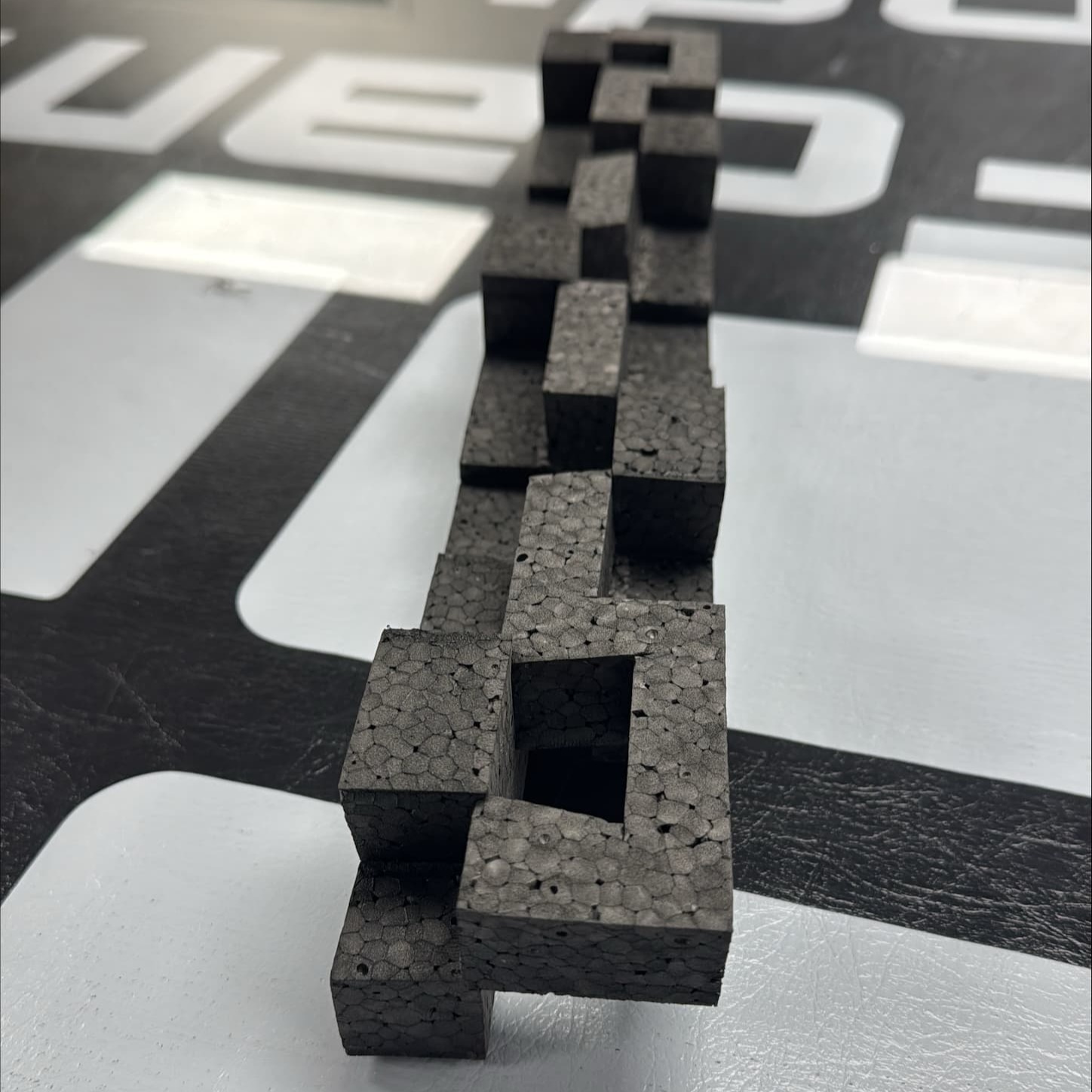
Unlike more rigid expanded foams, EPP is engineered to absorb energy and recover its shape over and over again.
EPP provides thermal insulation and maintains structural integrity through repeated shipping cycles, which makes it a strong choice for reusable packaging and high-abuse applications where long service life matters more than lowest cost.
EPP foam is typically machined into finished shapes and is not compatible with foam-in-place packaging.
Common Applications
- Reusable packaging and dunnage
- Low abrasion applications, like glass
- Automotive and industrial components
- Long-term protective packaging

Protect Your Package in Transit. Protect Your Bottom Line.
Expanded Polystyrene (EPS) Foam
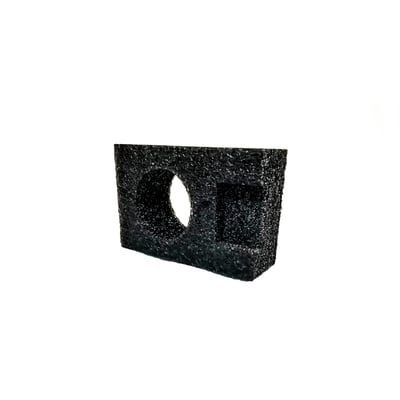
EPS foam is created by expanding polystyrene beads into a rigid, lightweight foam that excels at cushioning and thermal insulation. Its structure provides consistent support while keeping overall packaging weight low.
EPS is especially effective for single-use or limited-use packaging where insulation, rigidity, and cost efficiency are priorities. It performs well in cold storage environments and applications where packaging does not need to recover from repeated impacts.
EPS can be molded into custom shapes, cut from blocks, or used in foam-in-place packaging systems.
Common Applications
- Cold storage containers and packaging
- Appliance and equipment packaging
- Product blocking and bracing
- Foam-in-place quick turnaround
EPS Spec Sheet
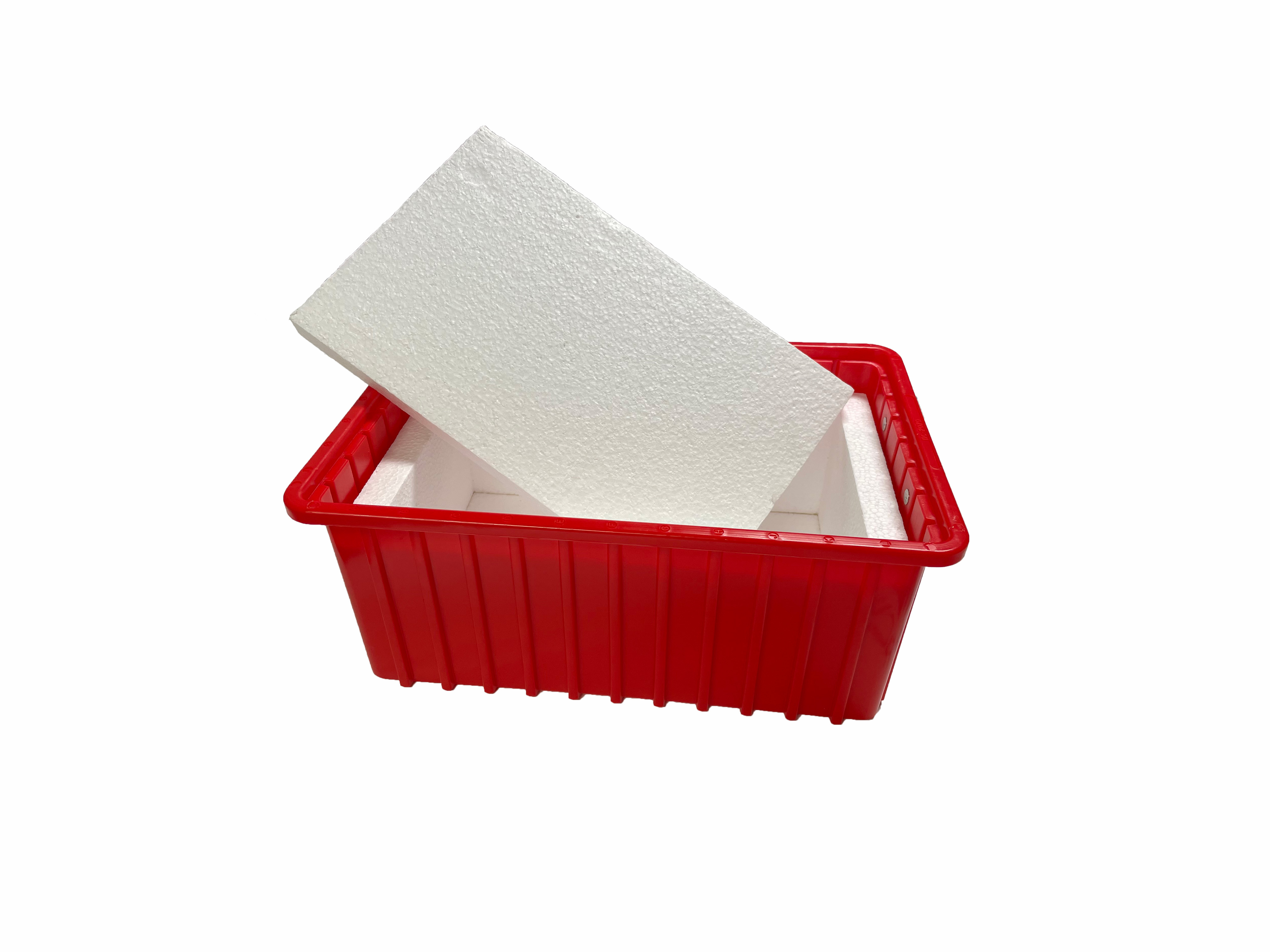
Extruded Polystyrene (XPS) Foam
XPS foam is produced by extruding polystyrene into a closed-cell foam with a smooth surface and uniform internal structure. This process creates a material with higher compressive strength and greater moisture resistance than EPS, while still offering the same thermal insulation.
XPS can be used in both foam-in-place and fabricated applications.
Common Applications
- Cold and damp environment packaging
- Insulated shipping containers
- Foam-in-place quick turnaround